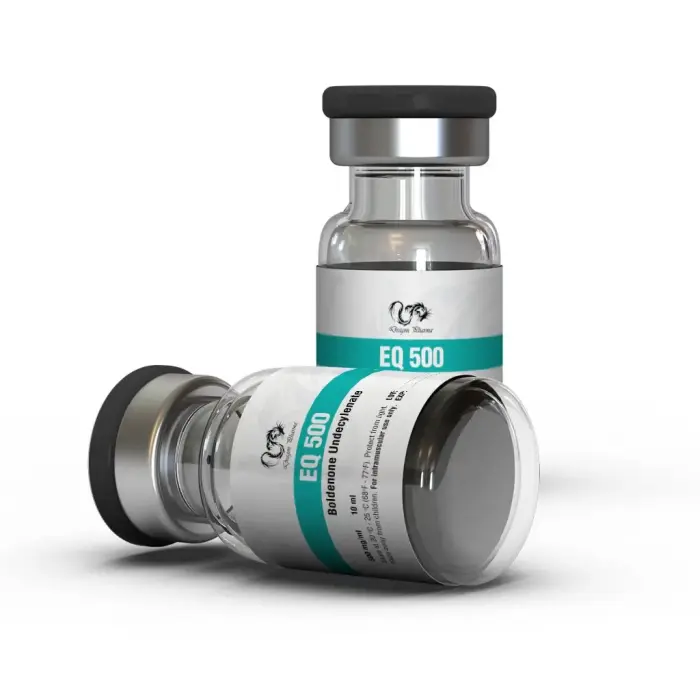
EQ 500
EQ 500 Dragon Pharma — Overview
EQ 500 is a high-concentration boldenone undecylenate formulation from Dragon Pharma delivering 500 mg per mL — the same compound as EQ 300 in a denser vial that cuts injection volume at working doses. At 500 mg/week, one mL covers the full dose; at 400 mg/week, a single 0.8 mL injection per pin completes the protocol. The practical effects are unchanged: gradual lean mass accumulation driven by elevated nitrogen retention, sustained appetite stimulation through the undecylenate ester pathway, and a progressive erythropoietic response that raises RBC count and hematocrit over the first 6–8 weeks. Available at Steroid Warehouse as part of the Dragon Pharma injectable lineup.
This page covers how the compound works, what to expect, practical stacking options, possible side effects and how to manage them, bloodwork monitoring, and post-cycle recovery.
About the Compound: Boldenone Undecylenate
Boldenone undecylenate belongs to the testosterone-derived family of anabolic-androgenic steroids. It is modified at the C1-C2 bond to introduce unsaturation, which roughly halves its aromatization rate relative to testosterone while preserving strong anabolic activity through direct androgen receptor binding. Unlike testosterone, boldenone does not convert to dihydroboldenone via 5-alpha reductase in a clinically meaningful way, so finasteride has no practical effect on boldenone-related androgenic activity.
The undecylenate ester gives EQ 500 an active life of approximately 14–16 days. Once- or twice-weekly injections are sufficient to maintain stable plasma concentrations. EQ 500 and EQ 300 are pharmacologically identical — boldenone undecylenate at different concentrations. The 500 mg/mL formulation only changes how many mLs are needed per dose: at 400 mg/week and above, EQ 500 meaningfully reduces injection volume compared to EQ 300.
What EQ 500 Does
EQ 500 works through androgen receptor binding and promotes nitrogen retention and protein synthesis. In practice, athletes report the following:
- Lean mass accumulation — steady nitrogen retention and protein synthesis with minimal water retention; mass gained over a 12–16 week cycle is generally well-retained post-PCT.
- Appetite stimulation — one of the most consistent effects; the undecylenate ester appears to drive appetite increases that support caloric surplus on bulk cycles without requiring aggressive diet effort.
- Erythropoiesis (RBC elevation) — boldenone stimulates EPO production, progressively increasing red blood cell count and hematocrit from weeks 4–8 onward; improved oxygen delivery produces measurable endurance benefit.
- Vascularity — increased RBC density combined with low water retention produces visible vascularity improvements, particularly in the second half of a cycle when plasma levels are fully saturated.
- Low estrogenic activity — at typical doses, boldenone converts to estradiol at roughly half the rate of testosterone; most users at 400–500 mg/week do not require an AI, though individual response varies.
- Low androgenic profile — androgenic activity approximately half of testosterone, reducing acne, hair loss, and sebum risk relative to higher-androgen compounds.
On expectations: EQ 500 takes 4–6 weeks to reach full plasma saturation due to the long undecylenate ester. Do not judge effectiveness before week 6–8. The appetite effect typically appears earlier (weeks 2–3); erythropoietic and strength-related effects build gradually from week 4 onward. Cycles under 12 weeks do not allow full expression of the compound's effects.
Who It Is For
EQ 500 is not a first-cycle compound. It is used by intermediate to advanced athletes who have already completed at least one testosterone-only cycle and have baseline bloodwork experience.
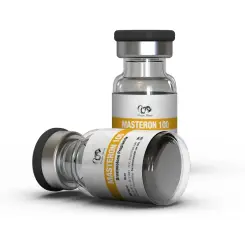
- What differentiates EQ 500 from similar compounds: unlike Primobolan (which shares the clean lean mass profile), boldenone adds meaningful appetite stimulation and a progressive erythropoietic effect — a practical advantage for athletes prioritizing endurance capacity alongside physique goals. Unlike Masteron, EQ 500 does not depend on low body fat to produce visible benefits and is more suitable as a volume-building tool than a pre-contest finisher.
- When EQ 500 is the better choice: users running 400 mg/week or above who want to minimize injection volume; athletes combining lean mass building with endurance performance; long-cycle protocols (14–16 weeks) where stable plasma levels and gradual, dry mass accumulation are the goal.
- When to choose something else: users who prefer EQ at lower doses (under 400 mg/week) will find EQ 300 easier to dose precisely; users prioritizing maximum mass gain over lean quality are better served by Deca 300; pre-contest athletes wanting estrogen control and hardening should consider Masteron 200 instead.
EQ 500 vs Alternatives
| Compound | Key Differences | Choose EQ 500 When | Choose Alternative When |
|---|---|---|---|
| EQ 300 — Dragon Pharma | Same compound at 300 mg/mL; higher injection volume per dose | Running 400+ mg/week and lower injection volume per pin is a priority | First EQ cycle; doses under 400 mg/week where precision is easier with lower concentration |
| Primobolan 100 — Dragon Pharma | Milder on lipids, no appetite effect, no erythropoietic action; significantly more expensive per mg | Appetite stimulation and RBC elevation are part of the cycle goal alongside lean mass | HDL suppression is a concern, or budget strongly favors a less expensive compound |
| Masteron 200 — Dragon Pharma | Anti-estrogenic, hardening effect; better for pre-contest phases at low body fat | Off-season lean mass building or 12–16 week cycles where volume and endurance are the priority | Pre-contest phase at <12% body fat where estrogen control and muscle density are the primary goal |
Recommended Combinations
EQ 500 is a supporting compound and requires a testosterone base in every stack. Below are the combinations most commonly discussed by physique athletes:
| Goal | Stack | Notes |
|---|---|---|
| Foundation lean bulk | Enantat 250 400 mg/week + EQ 500 500 mg/week | Standard two-compound base; testosterone anchors HPG axis suppression management while EQ delivers lean mass and appetite. 12–16 weeks. |
| Moderate prep / recomp | Enantat 250 300 mg/week + EQ 500 400 mg/week + Masteron 200 400 mg/week | Masteron adds anti-estrogenic activity and muscle density; well-suited for users at 12–15% body fat targeting a leaner, harder finish. 12 weeks. |
| Advanced volume cycle | Enantat 250 500 mg/week + EQ 500 600 mg/week + Trenbolone 200 300 mg/week | High anabolic load; Trenbolone amplifies nitrogen retention and body composition. Requires thorough bloodwork and AI readiness. 14–16 weeks. |
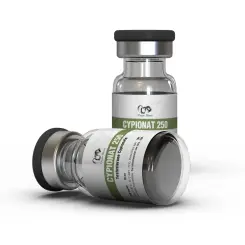
| Lean recomp | Cypionat 250 400 mg/week + EQ 500 500 mg/week | Cypionate's slightly higher aromatization pairs predictably with EQ's low conversion; manageable estrogenic environment. Suits users who prefer Cypionate over Enanthate. 14–16 weeks. |
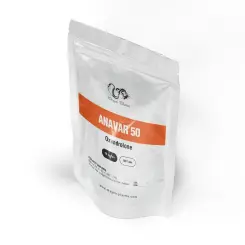
| With oral addition | Enantat 250 400 mg/week + EQ 500 500 mg/week + Anavar 50 50 mg/day (weeks 7–14) | Anavar added in the second half amplifies strength and hardness without significant estrogenic load. Lipid monitoring required. 14 weeks. |
Side Effects and How to Manage Them
Because EQ 500 aromatizes at roughly half the rate of testosterone, the main concerns are erythropoietic and cardiovascular rather than estrogenic. The androgenic profile is moderate.
| What May Occur | Background | How to Handle It |
|---|---|---|
| Hematocrit / RBC elevation | Boldenone stimulates EPO, progressively raising red blood cell count from weeks 4–8. This is both a performance benefit and a cardiovascular variable requiring active monitoring. | Run Aspirin 81 mg/day as routine on-cycle prophylaxis from week 1. Check hematocrit every 4 weeks; hold or reduce dose if ≥52%. Blood donation between cycles if persistently elevated. |
| Blood pressure elevation | Increased RBC density and expanded plasma volume both contribute to elevated blood pressure, particularly in the second half of the cycle as hematocrit rises. | Self-monitor BP weekly. If consistently >135/85 mmHg, add Amlodipine 5 mg/day or Telmisartan 40 mg/day. Sodium restriction and cardiovascular conditioning support BP control. |
| HDL reduction / lipid changes | Boldenone's lipid impact is moderate — greater than Primobolan but less than oral 17-alpha-alkylated compounds. HDL suppression is the primary concern. | Run a lipid panel at week 6. If HDL drops >30% from baseline or LDL rises significantly, add Atorvastatin 20–40 mg/day. Omega-3 supplementation (3–4 g/day) is a reasonable concurrent measure. |
| Acne and oily skin | Boldenone's androgenic index is approximately 50 — roughly half of testosterone. Acne is possible, particularly in genetically predisposed users. | Basic skincare handles mild cases. For moderate-to-severe reactions: Accutane 10–20 mg/day. Note: finasteride does not block boldenone's androgenic pathway. |
| Accelerated hair thinning | Boldenone's moderate androgenic activity can accelerate male-pattern hair loss in predisposed individuals. | Minoxidil topical is used to slow the process. Worth factoring into compound selection if there is a family history. |
| Libido changes / SHBG elevation | Boldenone can increase SHBG over longer cycles, reducing free testosterone availability and occasionally causing libido decline despite adequate total testosterone. | Add Proviron 50 mg/day to reduce SHBG and raise free testosterone. If erectile dysfunction persists, Cialis 5 mg/day as needed. |
| Mild estrogenic effects | Low aromatization means most users at 400–500 mg/week do not experience significant estrogen-related effects. Sensitive users or those stacking with higher testosterone doses may see mild water retention or breast tissue sensitivity. | Confirm estradiol elevation with labs before introducing an AI. If E2 is confirmed high: Arimidex 0.5 mg EOD or Aromasin 12.5 mg EOD. Avoid AI use without confirmed E2 elevation. |
| Natural testosterone suppression | Like all anabolic steroids, EQ 500 suppresses the HPG axis — endogenous testosterone production slows during the cycle. | PCT planning is essential. See the recovery section below. |
Bloodwork Monitoring
| Lab | When to Test | Target & Action Threshold |
|---|---|---|
| Hematocrit | Baseline; every 4 weeks on-cycle | Target <50%. At ≥52%: reduce dose or suspend cycle. Consider blood donation if persistently elevated between cycles. |
| Hemoglobin / CBC | Baseline; every 4 weeks on-cycle | Hemoglobin <17 g/dL. Flag if CBC shows rising reticulocyte count alongside hematocrit — indicates active EPO-driven erythropoiesis. |
| Lipid panel (HDL / LDL) | Baseline; week 6; end of cycle | HDL >40 mg/dL on-cycle. Introduce statin if LDL rises >30% from baseline or HDL drops below 35 mg/dL. |
| Estradiol (E2) | Week 4–6; repeat if symptoms arise | Target 20–40 pg/mL on-cycle. Intervene with AI only if symptomatic and E2 is confirmed elevated by lab — not prophylactically. |
| Blood pressure | Weekly self-monitoring throughout cycle | Target <130/80 mmHg. Initiate Amlodipine 5 mg/day or Telmisartan 40 mg/day if consistently above 135/85 mmHg. |
| LH + FSH | End of cycle (2 weeks before PCT start) | Confirms suppression depth and PCT readiness. Both will be low on-cycle; used as baseline to track HPG axis recovery post-PCT. |
| Total testosterone | Pre-cycle baseline; 6 weeks post-PCT | Recovery target ≥400 ng/dL at 6 weeks post-PCT. If below, extend PCT or re-evaluate protocol before scheduling next cycle. |
Post-Cycle Recovery
After an EQ 500 cycle, natural testosterone production will be suppressed. PCT should not begin until 21 days after the last injection — the undecylenate ester clears more slowly than enanthate, and starting SERM therapy before boldenone has cleared reduces LH and FSH recovery efficiency.
| Product | Role in PCT |
|---|---|
| Nolvadex (Tamoxifen) | Primary SERM for LH/FSH stimulation and HPG axis recovery. Standard protocol: 40 mg/day weeks 1–2; 20 mg/day weeks 3–4. Most commonly used solo PCT agent for boldenone cycles. |
| Clomid (Clomiphene) | Alternative or addition for stronger gonadotropin stimulation: 50 mg/day weeks 1–2; 25 mg/day weeks 3–4. Commonly run alongside Nolvadex on longer or heavier cycles. |
| HCG 5000 IU | Used before PCT begins on 16-week cycles or where testicular atrophy is noted — 500 IU EOD for 10 days starting at day 14 post-cycle. Stop HCG before starting SERM. |
| Enclomiphene | A newer alternative to Clomid with a cleaner side-effect profile: 25 mg/day for 4–6 weeks. Suitable for users who experience vision disturbances or mood effects on standard Clomiphene. |
For a full breakdown of PCT protocols, timing, and dosing context, see the PCT guide.
Practical Summary
Key protocol rules for EQ 500:
- Plan for 12 weeks minimum — the undecylenate ester takes 4–6 weeks to reach stable plasma levels; cycles under 12 weeks do not allow the full appetite stimulation, RBC elevation, and lean mass effects to develop.
- 1 mL per injection at 500 mg/week — at the standard working dose, EQ 500 requires one mL per injection; at 400 mg/week that is 0.8 mL per shot. The reduced volume compared to EQ 300 is the primary practical advantage of this formulation at higher doses.
- Monitor hematocrit every 4 weeks — erythropoiesis is both the compound's most useful effect and its primary safety variable; keep hematocrit below 50%; run Aspirin 81 mg/day from week 1 as routine prophylaxis.
- PCT at 21 days — not 14 — the undecylenate ester clears more slowly than enanthate; starting SERM therapy before boldenone has cleared reduces LH/FSH recovery rate and extends the suppression window.
- E2 management is conservative here — low-to-moderate aromatization means most users at 400–500 mg/week do not need an AI; confirm estradiol levels with labs before starting one; over-suppression of E2 on a boldenone stack is a common error.
- SHBG and free testosterone — at doses above 400 mg/week alongside moderate testosterone, users who experience libido drop on-cycle benefit from low-dose Proviron (50 mg/day) to reduce SHBG and raise the free testosterone fraction.
EQ 500 offers the same proven boldenone undecylenate profile as EQ 300 in a 500 mg/mL concentration — a practical choice for athletes running 400–600 mg weekly who prefer to keep injection volumes to 1 mL or less per pin. The compound's erythropoietic effect, sustained appetite stimulation, and lean mass delivery remain its defining traits at any concentration, as does the requirement for patience: cycles shorter than 12 weeks will not deliver the full output. For experienced boldenone users stepping up from EQ 300, the transition is straightforward — same PCT window, same monitoring protocol, lower volume per injection.
References
| Source | Relevance | Link |
|---|---|---|
| New England Journal of Medicine / PubMed | Bhasin et al. 1996 — landmark randomized controlled trial establishing the relationship between supraphysiologic testosterone exposure and increases in lean body mass, muscle size, and strength; foundational reference for injectable anabolic steroid anabolic-effect research | Bhasin S, et al. (1996) ↗ |
| NCBI Bookshelf / StatPearls | Anabolic steroids overview — AAS pharmacology, androgen receptor signaling, anabolic-androgenic effects, injectable ester context, misuse patterns, monitoring considerations, and adverse effect profile | StatPearls: Anabolic Steroids ↗ |
| NCBI Bookshelf / Endotext | Androgen physiology and pharmacology — androgen receptor activity, HPG axis suppression, estradiol aromatization, androgen ester pharmacokinetics, therapeutic use, and androgen misuse context | Endotext: Androgen Physiology, Pharmacology, Use and Misuse ↗ |
| Sports Medicine / PubMed | Hartgens & Kuipers 2004 — comprehensive review of anabolic-androgenic steroid pharmacology, erythropoietic stimulation, hematocrit elevation, cardiovascular risk, and lipid profile alterations across multiple AAS compounds | Hartgens F, Kuipers H (2004) ↗ |
| Journal of Clinical Endocrinology & Metabolism / PubMed | Basaria 2010 — review of androgen abuse consequences including erythrocytosis, blood viscosity changes, HPG axis suppression, lipid disturbances, and cardiovascular risks associated with prolonged supraphysiologic androgen exposure | Basaria S (2010) ↗ |
What is EQ 500?
EQ 500 is an injectable Boldenone Undecylenate for lean muscle growth; see What is Boldenone Undecylenate. It enhances performance—consult professionals for safe use.
What is EQ 500 used for?
EQ 500 is used for lean muscle growth and endurance in bodybuilding; see Key Benefits. It suits bulking or cutting—consult professionals for safe use.
How long does EQ 500 stay in your system?
With a 14-day half-life, it's detectable for 4-6 months; see Mechanism of Action. Plan PCT accordingly—consult professionals.
Is EQ 500 dangerous?
It's safe with proper use and monitoring; see Side Effects. Risks are manageable with ancillaries—consult professionals for safety.
How to use EQ 500?
Inject 400-800 mg/week, split weekly; see How to Use. Use with diet and monitoring—consult for tailored plans.
How does EQ 500 work?
EQ 500 works by promoting protein synthesis and nitrogen retention, helping create an anabolic environment that supports muscle development, recovery, and performance.
How long does it take to notice the effects of EQ 500?
Due to its long ester, EQ 500 typically produces gradual results. Users often report improvements in endurance, recovery, strength, and muscle quality after several weeks of consistent use.
What are the possible side effects of EQ 500?
Potential side effects may include acne, oily skin, increased androgenic effects, hormonal suppression, and changes in red blood cell production depending on individual response.
Related Products