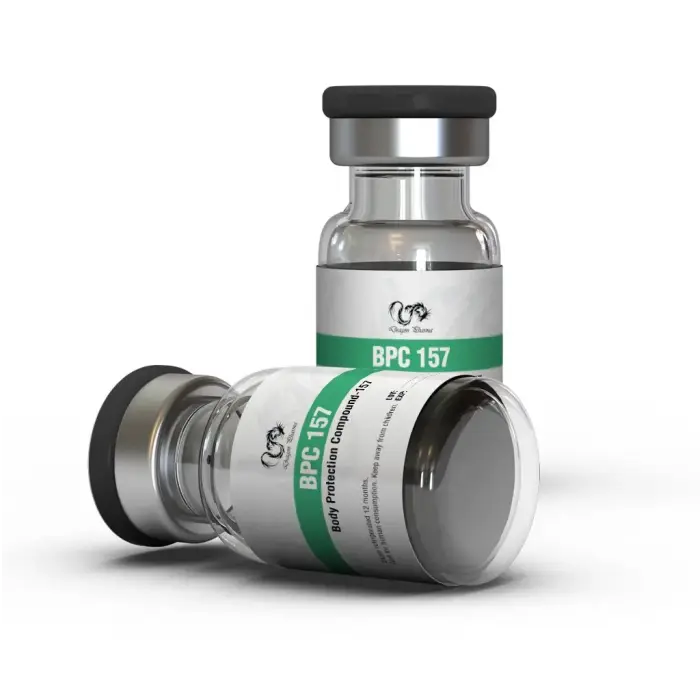
BPC 157 Dragon Pharma
BPC-157 Dragon Pharma — Overview
BPC-157 Dragon Pharma is a synthetic 15-amino acid peptide derived from a protein naturally occurring in human gastric juice. It is one of the most researched peptides for musculoskeletal repair — with an extensive body of pre-clinical work documenting accelerated healing of tendons, ligaments, muscle tissue, and the gastrointestinal tract. Athletes use it primarily to recover from injuries faster than the baseline rate, and to address damage to connective tissue that responds poorly to conventional rest and rehabilitation.
Each vial contains 2 mg of lyophilized BPC-157. This page covers the compound's mechanisms, the injury contexts it is used for, how it pairs with TB-500 for broader recovery coverage, and the practical aspects of reconstitution and administration.
About the Compound: BPC-157
BPC-157 (Body Protection Compound 157) is a synthetic peptide composed of 15 amino acids. It is derived from a sequence within BPC — a protein isolated from human gastric juice that plays a role in mucosal protection and tissue homeostasis. The synthetic version used in research does not occur naturally in this form; it is a stabilized fragment designed to isolate and amplify the repair-related activity of the parent protein.
The compound's core mechanism involves modulation of the nitric oxide (NO) system, upregulation of growth factor receptors (particularly those involved in angiogenesis and wound healing), and promotion of new blood vessel formation in injured tissue. Increased vascular supply to a damaged site accelerates the delivery of repair resources and speeds the resolution of the healing cascade. BPC-157 also interacts with the GABAergic and serotonergic systems, which accounts for some of the neuroprotective and GI-protective effects reported in research.
BPC-157 has a short active life of approximately 4 hours, requiring daily dosing to maintain tissue exposure during an active injury protocol. It does not suppress the HPG axis, does not aromatize, and has no interaction with the steroid hormone system.
What BPC-157 Does
The effects documented in BPC-157 research are primarily structural — the compound works on damaged tissue rather than producing systemic performance changes. The main areas of activity:
- Tendon and ligament repair — the most consistently documented application in pre-clinical research; BPC-157 accelerates collagen organization, increases fibroblast proliferation, and improves the mechanical properties of repairing tendons; studies using transected Achilles tendons in rodent models show significantly faster functional recovery compared to controls
- Muscle tissue healing — promotes satellite cell activity and reduces the inflammatory phase duration following muscle injury; athletes report faster resolution of muscle tears and strains with shorter time to pain-free movement
- Joint protection and repair — anti-inflammatory action within joint spaces reduces inflammatory damage to cartilage; used by athletes with chronic joint issues alongside or between AAS cycles where joint stress is elevated
- Gastrointestinal healing — BPC-157 was originally characterized for GI mucosal protection; oral administration is effective for esophageal, gastric, and intestinal damage; injectable use also demonstrates systemic GI effects; relevant for athletes using NSAIDs long-term or AAS compounds with GI side effects
- Angiogenesis at injury sites — new capillary formation in hypoxic or poorly vascularized tissue (tendons, in particular) is a primary mechanism; improved blood supply to the injury directly accelerates the healing timeline
- Neuroprotective activity — in rodent models, BPC-157 demonstrates protection against nerve crush injuries and supports peripheral nerve regeneration; relevant for athletes with compression injuries or nerve entrapment from heavy training
Research status: BPC-157's evidence base consists primarily of pre-clinical animal studies. Human clinical trial data is limited. The practical use by athletes is based on extrapolation from animal research and widespread anecdotal reporting, not completed human clinical trials. The mechanisms identified in research are biologically plausible and consistent with reported outcomes, but human efficacy and optimal dosing have not been formally established.
Who It's For
BPC-157 is used by athletes in the following injury and recovery scenarios:
- Tendon and ligament injuries — the primary application; partial tears, tendinopathy, tendinitis, and insertion-point injuries that are slow to heal; connective tissue has inherently poor blood supply which makes BPC-157's angiogenic mechanism directly relevant
- Muscle tears during heavy cycles — AAS use increases muscle contractile force and can outpace connective tissue strength; partial muscle tears during high-load training on cycle are a common injury; BPC-157 is used during the acute phase and sub-acute recovery to reduce downtime
- Chronic joint pain from training volume — athletes with persistent joint inflammation from years of high-volume training use BPC-157 as part of ongoing joint maintenance, often in off-cycle periods
- GI distress from compound or NSAID use — oral BPC-157 is used by athletes who develop gastric irritation from oral AAS, frequent NSAID use, or high-dose creatine; the GI-protective mechanism is active regardless of administration route but oral is preferred for upper GI issues
- Post-surgery recovery — some athletes use BPC-157 as part of a recovery protocol following surgical repair of ligaments or tendons, based on the pre-clinical evidence for enhanced tissue organization and faster functional return
Context & Related Products
BPC-157 is frequently combined with TB-500 (Thymosin Beta-4) because the two peptides address different aspects of the healing process and are considered complementary:
| Product | Primary Mechanism | Combination Rationale |
|---|---|---|
| BPC-157 (this product) | Angiogenesis, fibroblast stimulation, collagen synthesis at the injury site | Addresses local structural repair — brings blood supply and builds new tissue architecture at the damaged site |
| TB-500 Dragon Pharma | Actin regulation, cell migration, anti-inflammatory at the systemic level | Addresses the cellular and inflammatory component of healing; promotes cell migration into the injured zone and reduces chronic inflammation that slows repair |
| BPC-157 + TB-500 Blend | Combined BPC-157 and TB-500 in a single vial | Pre-mixed blend for athletes who want both peptides without calculating separate doses or managing two vials; the most common combination protocol in one product |
Reconstitution and injection supplies:
| Product | Why It's Needed |
|---|---|
| Bacteriostatic Water Dragon Pharma | Required to reconstitute lyophilized peptide vials. Bacteriostatic water (0.9% benzyl alcohol) preserves the solution for multiple draws over 28–30 days; standard water or saline is not appropriate for multi-use vials. Add 1–2 mL per vial, inject slowly down the side of the vial, swirl gently — do not shake |
Side Effects & Management
BPC-157 has a favorable safety profile in the available pre-clinical research. Adverse effects in animal studies are minimal and injection-related reactions are the most commonly reported issue in practical use:
| What May Occur | Background | How to Handle It |
|---|---|---|
| Injection site reactions | Subcutaneous injections of any peptide can cause localized redness, mild bruising, or soreness at the injection point. More common when injecting repeatedly into the same site | Rotate injection sites. Injecting close to the injury site (within a few centimeters, not directly into the damaged tissue) is common practice for targeting local delivery; rotating within the general area prevents site buildup |
| Mild nausea | Reported occasionally in anecdotal use, particularly at the higher end of the dose range (400–500 mcg). The GI activity of BPC-157 may contribute to transient nausea in some users | Reduce dose to 200–250 mcg. Taking the injection with food, or splitting the daily dose into two smaller injections, typically resolves the issue |
| Lightheadedness after injection | Infrequently reported; likely related to injection technique or vasovagal response rather than pharmacological activity of the peptide itself | Inject while seated. Use a slow injection pace. If consistent, check injection technique and confirm correct reconstitution |
| Theoretical angiogenesis concerns | Because BPC-157 promotes new blood vessel formation, a theoretical concern exists regarding use in individuals with undiagnosed malignancies, where increased angiogenesis could theoretically support tumor growth. This has not been demonstrated in BPC-157 research specifically but is a recognized consideration with angiogenic compounds | Not a practical concern for healthy athletes. Those with a personal or family history of cancer or with active inflammatory conditions should treat this as a relevant consideration |
References
| Source | Topic | Link |
|---|---|---|
| PubMed / J Orthop Res | BPC-157 and tendon healing — pre-clinical evidence for Achilles tendon recovery, tendocyte growth, collagen organization, and improved biomechanical healing in transected tendon models | Staresinic et al., 2003 ↗ |
| PubMed / Curr Pharm Des | BPC-157 systemic effects — vascular recruitment, gastrointestinal tract healing, cytoprotection, and broader pre-clinical tissue-repair context | Sikiric et al., 2018 ↗ |
| PubMed / Curr Pharm Des | BPC-157 and nitric oxide system — relationship with NO signaling, vascular response, and tissue-repair mechanisms in pre-clinical models | Sikiric et al., 2014 ↗ |
What is BPC 157?
BPC 157 is a synthetic peptide for tissue repair and recovery; see What is BPC-157 Pentadecapeptide. It accelerates healing—consult professionals for safe use.
What does BPC 157 do?
BPC 157 promotes muscle, tendon, and ligament repair while reducing inflammation; see Mechanism of Action. It supports faster recovery—monitor with professional guidance.
How to inject BPC 157?
Inject 200-500 mcg daily near injury sites using insulin syringes; see How to Use. Proper reconstitution and sterile technique are key—consult for training.
When to take BPC 157?
Take daily or twice daily, post-workout or evening; see How to Use. Timing optimizes healing—align with injury needs.
What does BPC 157 do for your body?
BPC 157 enhances tissue repair, reduces inflammation, and supports gut health; see Key Benefits. It boosts resilience—use with professional oversight.
How long can you take BPC 157?
Use for 4-8 weeks for acute injuries, up to 12 weeks for chronic issues; see How to Use. Take breaks to avoid tolerance—consult for tailored plans.
Is BPC-157 used for muscle or joint recovery?
BPC-157 is often mentioned in the context of joint, tendon, and muscle recovery, particularly among athletes and individuals dealing with overuse injuries.
How is BPC-157 different from other recovery peptides?
BPC-157 is often distinguished by its focus on localized tissue repair mechanisms and its origin from a naturally occurring protective gastric protein fragment.
Related Products
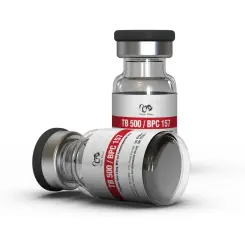
- Accelerates muscle and tendon repair for quick recovery.
- Reduces inflammation systemically and locally.
- Enhances joint and tissue resilience for intense training.
- Supports comprehensive healing for uninterrupted performance.