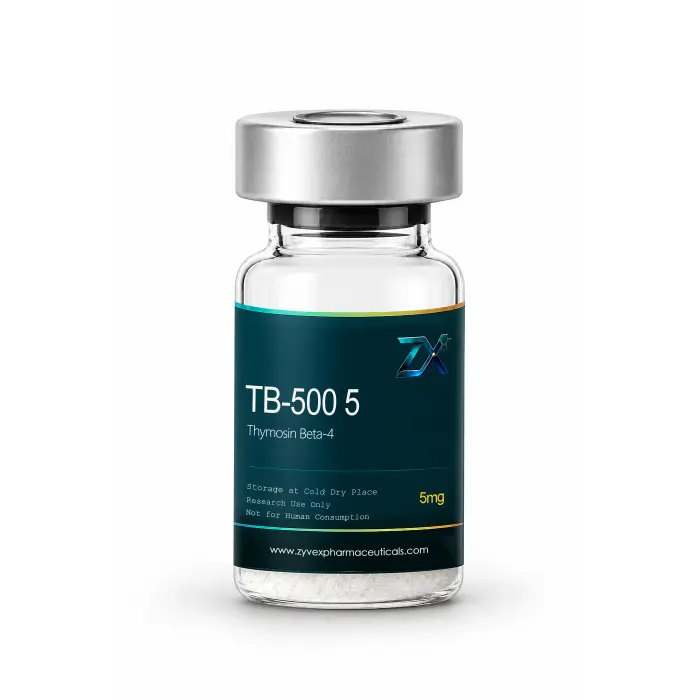
TB-500 - Zyvex Pharmaceuticals
TB-500 - Systemic Recovery Built on the Actin-Binding Domain of Thymosin Beta-4
TB-500 is a synthetic peptide corresponding to the actin-binding domain of Thymosin Beta-4, a 43-amino acid protein found in virtually every nucleated cell in the human body. The specific sequence in TB-500 (amino acids 17-23, LKKTETQ) is the bioactive region responsible for Thymosin Beta-4's core function: sequestering G-actin (monomeric actin) to regulate the balance between filamentous and monomeric actin that governs cell shape, movement, and migration. When this pathway is pharmacologically activated, repair cells - endothelial cells, stem cells, keratinocytes - migrate to injury sites at an accelerated rate. Because TB-500 is administered systemically and distributes through the bloodstream, it can act on injuries throughout the body simultaneously, which distinguishes it fundamentally from locally injected recovery peptides like BPC-157.
In athletic contexts, TB-500 is used to accelerate recovery from muscle strains, tendon and ligament injuries, and chronic inflammation caused by overtraining. The compound promotes angiogenesis - the formation of new blood vessels - at healing tissue. This is the rate-limiting factor in tendon and ligament recovery under normal conditions: these structures are poorly vascularized, and their characteristically slow healing directly reflects limited blood supply. By stimulating new capillary formation alongside accelerated repair-cell migration, TB-500 compresses recovery timelines for injuries that would otherwise require months of rest. It produces no androgenic, hormonal, or anabolic effects and does not suppress the HPTA - it is a recovery tool rather than a performance compound in the conventional sense, and no PCT is required.
About the Compound
Thymosin Beta-4 (TB4) is a ubiquitous intracellular protein that plays a central role in actin dynamics - the continuous restructuring of the actin cytoskeleton that enables cells to change shape, move, and divide. The protein was first isolated from thymic tissue, which gave rise to its name, but it is not thymus-specific: it is expressed at high concentrations in platelets, macrophages, neutrophils, and virtually all other nucleated cells. Thymosin Beta-4 levels are particularly high in tissues undergoing active repair and in wound fluid, suggesting an endogenous role in the healing response. TB-500 is not the full 43-amino acid Thymosin Beta-4 molecule - it is a synthetic peptide containing the core actin-binding sequence (LKKTETQ) that accounts for the protein's repair-promoting activity, designed to be stable and bioavailable when injected.
The distinction matters for understanding what TB-500 actually does. It does not replicate every function of full-length TB4. What it does replicate is the actin-sequestration pathway that drives cell migration, plus the downstream angiogenic and anti-inflammatory signaling that this pathway activates. Animal studies have shown that TB4 and TB-500 accelerate wound closure, promote new vessel formation, reduce inflammation at injury sites, and support cardiac tissue repair after ischemic injury - a scope of activity that extends well beyond what athletes typically use it for. In research peptide use, the focus is on musculoskeletal recovery: faster healing of strained muscle, damaged tendons, injured ligaments, and inflamed joints.
Mechanism of Action
TB-500's primary mechanism is G-actin sequestration. G-actin (globular, monomeric actin) and F-actin (filamentous, polymerized actin) exist in dynamic equilibrium inside cells. The ratio between them determines whether a cell is stationary or actively moving. Thymosin Beta-4 binds to G-actin with high affinity, holding it in the monomeric form and preventing its incorporation into filaments in areas of the cell where motility is not needed. At the leading edge of a migrating cell - the site of active movement - this equilibrium shifts, F-actin forms, and the cell extends toward the injury signal. By pharmacologically shifting G-actin availability through TB-500, this process is amplified: repair cells mobilize and reach injury sites faster than they would without intervention.
Beyond actin dynamics, TB-500 activates downstream signaling through several pathways relevant to tissue repair. It upregulates the expression of vascular endothelial growth factor (VEGF) and other angiogenic signals, promoting the sprouting of new capillaries into avascular or poorly vascularized tissue. It reduces the inflammatory cytokine environment at injury sites, which can otherwise prolong the inflammatory phase of healing and delay the transition to proliferation and remodeling. There is also evidence from cardiac research that TB4/TB-500 activates progenitor cells in the heart muscle after ischemic injury, contributing to functional tissue regeneration rather than simple scar formation. For athletes, the practical summary is: faster cell migration + new blood vessel formation + reduced inflammation = compressed recovery timelines, particularly for tendon and ligament injuries where vascularization is the limiting factor.
Dosing Protocol
| Phase | Dose | Frequency | Duration |
|---|---|---|---|
| Loading (acute injury) | 2-2.5 mg | Twice weekly (e.g. Mon + Thu) | 4-6 weeks |
| Maintenance (ongoing recovery) | 2-2.5 mg | Once weekly | 4-8 additional weeks |
| Preventive / performance | 2 mg | Once weekly or every 10 days | Ongoing as needed |
The loading phase is used when there is an active, acute injury that requires faster cellular recruitment. The twice-weekly frequency saturates the tissue with TB-500 during the critical early repair phase. Once the acute injury has stabilized and the primary concern is continued healing and prevention of re-injury, the protocol shifts to a once-weekly maintenance dose. Some athletes use TB-500 at lower frequency as a general recovery support tool during high training volume phases, without necessarily having a specific injury. Injections are subcutaneous, typically into the abdomen or outer thigh. Because TB-500 acts systemically, the injection does not need to be at or near the site of injury - this is one of its practical advantages over localized peptides.
Using the 5 mg Vial
The 5 mg vial contains lyophilized TB-500 powder. It must be reconstituted with bacteriostatic water before injection. Add 1-2 ml of bacteriostatic water to produce a working concentration of 2.5-5 mg/ml. At 2.5 mg/ml (2 ml bacteriostatic water added), a 2.5 mg dose equals 1 ml - easily drawn in a standard insulin syringe. At 5 mg/ml (1 ml bacteriostatic water added), a 2.5 mg dose equals 0.5 ml (50 units on a U-100 insulin syringe).
| Reconstitution | Concentration | Volume for 2 mg Dose | Volume for 2.5 mg Dose |
|---|---|---|---|
| Add 1 ml bacteriostatic water | 5 mg/ml | 0.40 ml (40 units on U-100) | 0.50 ml (50 units on U-100) |
| Add 2 ml bacteriostatic water | 2.5 mg/ml | 0.80 ml (80 units on U-100) | 1.00 ml (100 units on U-100) |
Store reconstituted vials refrigerated at 2-8 degrees Celsius. Use within 30 days. Inject subcutaneously into the abdomen, outer thigh, or upper arm. Rotate injection sites. There is no need to inject near the injury - systemic distribution delivers TB-500 throughout the body regardless of injection site.
Use Cases
| Condition / Goal | Protocol | Notes |
|---|---|---|
| Acute muscle strain | 2.5 mg 2x/week for 4-6 weeks | Loading protocol; begin immediately after injury; combine with adequate protein and rest |
| Tendon or ligament injury | 2.5 mg 2x/week for 6 weeks, then 2.5 mg 1x/week | Tendons and ligaments benefit most from angiogenic effect; longer protocol needed for full tissue remodeling |
| Joint inflammation / overtraining | 2 mg once weekly | Anti-inflammatory signaling reduces chronic low-grade inflammation; stack with BPC-157 for synergistic effect |
| Post-surgery recovery | 2.5 mg 2x/week for 8 weeks | Accelerates wound closure and vascularization of healing tissue; consult with treating physician |
| Preventive / high training volume | 2 mg once every 7-10 days | Used during heavy training blocks to support tissue integrity and reduce accumulation of micro-damage |
Side Effects
| Side Effect | Frequency / Background | Management |
|---|---|---|
| Fatigue / lethargy | Reported by some users, particularly at higher loading doses; mechanism unclear | Usually transient; reduce dose if persistent; ensure adequate sleep and nutrition |
| Nausea | Occasional, typically mild; more common at doses above 2.5 mg | Inject with a meal; reduce to 2 mg dose if nausea recurs |
| Injection site reactions | Mild redness or swelling at injection site; common with any peptide | Rotate sites weekly; allow the solution to reach room temperature before injecting |
| Headache | Occasionally reported in early use; generally resolves within the first week | Ensure adequate hydration; reduce dose temporarily if severe |
| Hormonal / suppressive effects | None - TB-500 does not interact with the HPTA, androgen receptors, or hormone production | No AI, no PCT, no bloodwork monitoring required for hormonal parameters |
TB-500 does not need to be injected near the site of injury. Unlike topical treatments or locally injected peptides, TB-500 is absorbed systemically from any subcutaneous injection site and distributes through the bloodstream to wherever repair signaling is active. Injecting into the abdomen while recovering from a knee injury works just as effectively as any other site. This makes dosing simpler and eliminates the need for precise anatomical targeting that locally injected compounds require.
TB-500 vs BPC-157
| Feature | TB-500 | BPC-157 |
|---|---|---|
| Origin | Fragment of Thymosin Beta-4 (actin-binding domain) | Synthetic fragment of Body Protection Compound in gastric juice |
| Primary mechanism | G-actin sequestration enabling systemic cell migration + angiogenesis | Nitric oxide pathway activation; local tissue repair and GI protection |
| Distribution | Systemic - distributes throughout body from any injection site | Primarily local - most effective when injected near the injury |
| Best for | Multi-site injuries, tendon/ligament repair, systemic anti-inflammation | Single localized injury, GI injury, nerve damage near injection site |
| Injection site | Any subcutaneous site; does not need to be near injury | Ideally near the injury for maximum local effect |
| Synergy | Stacked with BPC-157 for combined local + systemic coverage | Stacked with TB-500 for combined local + systemic coverage |
| HPTA suppression | None | None |
Frequently Asked Questions
What is TB-500 and is it the same as Thymosin Beta-4?
TB-500 is not the same as Thymosin Beta-4, though the two terms are often used interchangeably. Thymosin Beta-4 (TB4) is the full 43-amino acid protein found naturally in almost every nucleated cell in the body. TB-500 is a synthetic peptide corresponding only to the actin-binding domain of TB4 - specifically the amino acid sequence LKKTETQ at positions 17-23. This seven-residue segment is the region responsible for TB4's core recovery-promoting activity: sequestering G-actin to enable cell migration and activating downstream angiogenic signaling. TB-500 was developed as a more practical alternative to full-length TB4 for research purposes. The peptide is stable, injectable, and replicates the healing-relevant mechanisms of the complete protein without requiring the full 43-residue molecule.
How does TB-500 actually work to accelerate healing?
The mechanism starts with actin regulation. Inside every cell, actin exists in two states: G-actin (globular, monomeric) and F-actin (filamentous, polymerized). The ratio between them determines whether a cell is stationary or actively moving. Thymosin Beta-4 binds G-actin with high affinity, sequestering it and enabling cells to rapidly shift toward the motile state needed to migrate to an injury site. TB-500 activates this same pathway. The practical result is that endothelial cells, stem cells, and repair-signaling cells mobilize and reach damaged tissue faster than they would without intervention. Simultaneously, TB-500 upregulates vascular endothelial growth factor (VEGF) and other angiogenic signals, promoting new capillary formation at the injury site. New blood vessels provide the oxygen and nutrient delivery needed for active tissue remodeling - which is why poorly vascularized structures like tendons and ligaments heal so much more slowly under normal conditions, and why TB-500 is particularly useful for these injury types.
Do I need to inject TB-500 near the injury site?
No - this is one of the most important practical distinctions between TB-500 and locally acting peptides like BPC-157. TB-500 is administered systemically and distributes through the bloodstream from any subcutaneous injection site. Whether you inject into the abdomen, outer thigh, or upper arm, the peptide circulates throughout the body and reaches sites where repair signaling is active. You do not need to locate the injury precisely, inject into a joint space, or use intramuscular injection near a tendon. Any standard subcutaneous injection into a convenient site works equally well. This makes TB-500 particularly practical for athletes dealing with multiple injuries simultaneously or with injuries in locations that would be difficult to inject directly (spine, deep muscle, shoulder).
What is the correct TB-500 dosing protocol?
The standard protocol uses a loading phase followed by a maintenance phase. Loading: 2-2.5 mg injected twice per week (for example Monday and Thursday) for 4-6 weeks. This phase saturates the tissue environment with TB-500 during the critical early period of active repair. Maintenance: 2-2.5 mg once per week for an additional 4-8 weeks, used once the acute phase has resolved and the goal is continued healing and re-injury prevention. Some athletes use a lower preventive dose (2 mg once every 7-10 days) during high training volume periods without a specific acute injury. There is no dose escalation requirement as there is with GLP-1 peptides - TB-500 can be started at the full loading dose immediately.
How many doses are in the 5 mg TB-500 vial?
The number of doses depends on the reconstitution volume and the dose you inject. If you add 1 ml of bacteriostatic water to the 5 mg vial, the concentration is 5 mg/ml: a 2.5 mg dose requires 0.5 ml (50 units on a U-100 insulin syringe), giving 2 doses per vial. If you add 2 ml, the concentration is 2.5 mg/ml: a 2.5 mg dose requires 1 ml (100 units on a U-100 syringe), also giving 2 doses per vial. At a 2 mg dose: 2.5 doses from the 5 mg vial. For a standard 4-week loading protocol at 2.5 mg twice weekly (8 injections = 20 mg total), you would need 4 vials. For the maintenance phase at 2.5 mg once weekly, one vial lasts 2 weeks. Store reconstituted vials refrigerated and use within 30 days.
Does TB-500 require PCT or affect hormones?
No. TB-500 has no interaction with the hypothalamic-pituitary-testicular axis (HPTA), does not bind androgen receptors, and does not affect testosterone, estrogen, LH, or FSH levels. It is a tissue repair peptide, not a hormonal compound. No aromatase inhibitor, no SERM, and no post-cycle therapy of any kind is required after a TB-500 protocol. This also means TB-500 can be used during PCT from a steroid cycle without interfering with the hormonal recovery process - in fact, athletes recovering from a cycle often continue or begin a TB-500 protocol during PCT to address accumulated training injuries that accumulated during the suppressive period when training continued at full intensity.
Can TB-500 and BPC-157 be stacked together?
Yes, and this is one of the most common combinations in research peptide use for injury recovery. The rationale is that the two peptides work through different mechanisms and offer complementary coverage. BPC-157 acts primarily through the nitric oxide pathway and is most effective when injected near the injury - it provides strong localized repair signaling at the specific tissue. TB-500 acts systemically via actin-sequestration and angiogenesis, distributing throughout the body from any injection site. Together, the combination delivers both local repair stimulation (BPC-157) and systemic vascularization and cell migration support (TB-500). The doses used in a stack are the same as when each is used alone - there is no dose reduction needed, and no known pharmacological interaction between the two compounds. A common stack: BPC-157 250-500 mcg daily near the injury + TB-500 2.5 mg twice weekly via standard subcutaneous injection.
What conditions or injuries does TB-500 work best for?
TB-500 shows the most pronounced benefit for injuries where vascularization is the limiting factor in healing - primarily tendons and ligaments. These structures have limited blood supply under normal conditions, which is why tendon and ligament recovery is measured in months rather than weeks. By promoting angiogenesis (new capillary formation) alongside accelerated repair cell migration, TB-500 addresses the root cause of their slow recovery. Muscle strain recovery is another primary application - acute muscle tears respond well to the cell migration and anti-inflammatory effects. TB-500 is also used for joint inflammation, post-surgery wound healing, and as a general recovery support during periods of very high training volume. It is less clearly suited for nerve injuries, where BPC-157 has stronger evidence, and for acute bone fractures, where the healing process is driven by mechanisms (osteoblast/osteoclast activity) that are not the primary targets of TB-500's mechanism.
Related Products
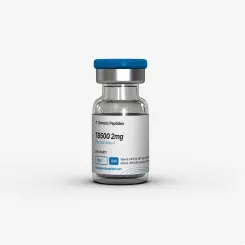
- Promotes tissue repair and regeneration.
- Accelerates recovery from injuries.
- Reduces inflammation and muscle pain.
- Supports overall healing processes.
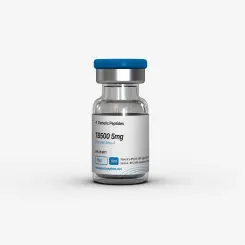
- Promotes tissue repair and regeneration.
- Accelerates recovery from injuries.
- Reduces inflammation and muscle pain.
- Supports overall healing processes.
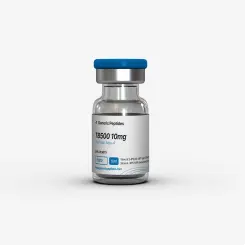
- Promotes tissue repair and regeneration.
- Accelerates recovery from injuries.
- Reduces inflammation and muscle pain.
- Supports overall healing processes.
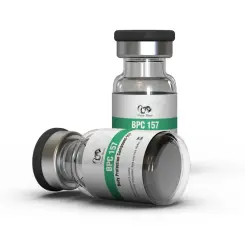
- Accelerates muscle and tendon repair for quick recovery.
- Reduces inflammation systemically and locally.
- Enhances joint and tissue resilience for intense training.
- Supports comprehensive healing for uninterrupted performance.