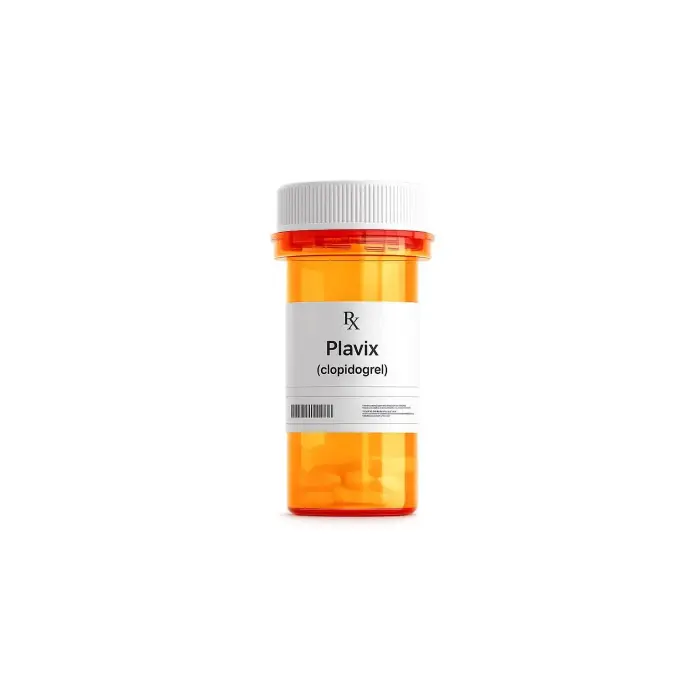
Plavix Tablets
- Helps prevent blood clot formation
- Supports heart and vascular health
- Reduces risk of stroke and heart attack
- Convenient once-daily tablet use
Plavix by Generic
Plavix contains clopidogrel and is used to prevent blood clots in individuals at risk of cardiovascular events. It is commonly prescribed for those with a history of heart attack, stroke, or certain heart conditions. The main outcome is reduced risk of clot formation and improved blood flow.
Many users choose clopidogrel because it provides effective antiplatelet action for long-term cardiovascular protection. Compared to some alternatives, it is often used in combination therapy or when aspirin alone is not sufficient.
What is Clopidogrel?
Clopidogrel is an antiplatelet medication that prevents blood platelets from sticking together. This reduces the likelihood of clot formation in blood vessels.
Plavix is available in tablet form with a strength such as 75 mg. It is intended for regular daily use as part of a cardiovascular care plan.
Mechanism of Action Plavix
Clopidogrel works by inhibiting the P2Y12 receptor on platelets. This prevents platelet activation and aggregation, reducing clot formation.
Users typically benefit from improved blood circulation and lower risk of cardiovascular events. It helps prevent clots but does not dissolve existing ones.
Clopidogrel has a long-lasting effect on platelets, meaning consistent daily use is important for maintaining protection.
How It Works & Key Benefits
Plavix is best suited for individuals at risk of blood clots or cardiovascular events. It works best when taken consistently and as part of a broader health plan.
- Prevents platelet aggregation
- Reduces risk of heart attack and stroke
- Supports healthy blood flow
- Effective for long-term use
- Simple once-daily dosing
Who It's For & Product Specifications
Best for: individuals with cardiovascular risk factors or history of clot-related conditions. Not recommended for: individuals with active bleeding or certain medical conditions without supervision.
| Substance | Clopidogrel |
| Concentration | 75 mg/tab |
| Form | Oral tablets |
| Pack Size | 30 tabs |
| Half-life | ~6 hours (active effect longer) |
| Aromatization/Hepatic | Hepatic metabolism |
| Primary Use | Blood clot prevention |
| Manufacturer | Generic |
| Brand | Plavix |
How to Use
- Dosage: Common dose is 75 mg once daily.
- Frequency: Taken once daily at the same time each day.
- Cycle length: Long-term use for cardiovascular protection.
- Preparation/Monitoring tips: Monitor for signs of bleeding and follow medical advice.
- Results timeline: Antiplatelet effects begin within hours and continue with regular use.
- PCT timing: Not applicable.
PCT Timing Matrix: Not applicable for antiplatelet therapy.
Popular Stacks
- Clopidogrel + aspirin: dual antiplatelet therapy for high-risk patients.
- Clopidogrel + statins: supports cardiovascular protection.
- Clopidogrel + antihypertensives: improves heart health.
- Clopidogrel + lifestyle changes: enhances outcomes.
Comparisons & Alternatives
Plavix vs aspirin: both prevent clots, but clopidogrel works through a different mechanism.
Plavix vs anticoagulants: anticoagulants affect clotting factors, while clopidogrel affects platelets.
Plavix vs lifestyle changes: lifestyle is essential, but medication provides additional protection.
Side Effects & Risk Management
- Hematologic: increased bleeding risk
- Dermatologic: bruising
- General: mild gastrointestinal discomfort
Risk can be minimized by consistent monitoring and following prescribed doses.
Post-Cycle Therapy (PCT)
PCT is not required for clopidogrel. It is used continuously for cardiovascular protection.
Disclaimer: This content is for informational purposes only. Antiplatelet therapy should be used under medical supervision. Availability may vary by region.
1. What is Plavix used for?
Plavix is used to prevent blood clots and reduce the risk of heart attack or stroke. It supports cardiovascular health.
2. How does clopidogrel work?
It prevents platelets from sticking together, reducing clot formation. This improves blood flow.
3. Can I take it daily?
Yes, it is typically taken once daily for long-term protection. Consistency is important.
4. Does it thin the blood?
It does not thin blood directly but reduces platelet activity. This helps prevent clots.
5. Are there bleeding risks?
Yes, it can increase the risk of bleeding or bruising. Monitoring is important.
6. How quickly does it work?
How long does it take to notice effects?
Plavix begins reducing platelet activity within a few hours after the first dose. Full antiplatelet effects are typically achieved after 3 to 7 days of regular treatment, although a loading dose may produce a more rapid effect when clinically indicated.
Should Plavix be taken before or after food?
- Take it with food if the medication causes mild indigestion or an upset stomach.
- Be consistent by taking your dose at the same time every day
Related Products
- Helps lower blood sugar levels in type 2 diabetes
- Supports insulin release from the pancreas
- Convenient once-daily oral tablet
- Helps maintain stable daily glucose control
- Supports long-lasting erections up to 36 hours
- Improves blood flow for better performance
- Flexible dosing for on-demand use
- Helps enhance confidence and sexual activity
- Helps control blood sugar levels effectively
- Improves insulin sensitivity
- Supports long-term diabetes management
- Convenient daily tablet use
- Helps reduce excess stomach acid
- Relieves heartburn and acid reflux symptoms
- Supports healing of ulcers and irritation
- Convenient once-daily tablet use
- Helps treat a wide range of bacterial infections
- Supports recovery from respiratory and skin conditions
- Convenient dosing with short treatment courses
- Effective broad-spectrum antibiotic action