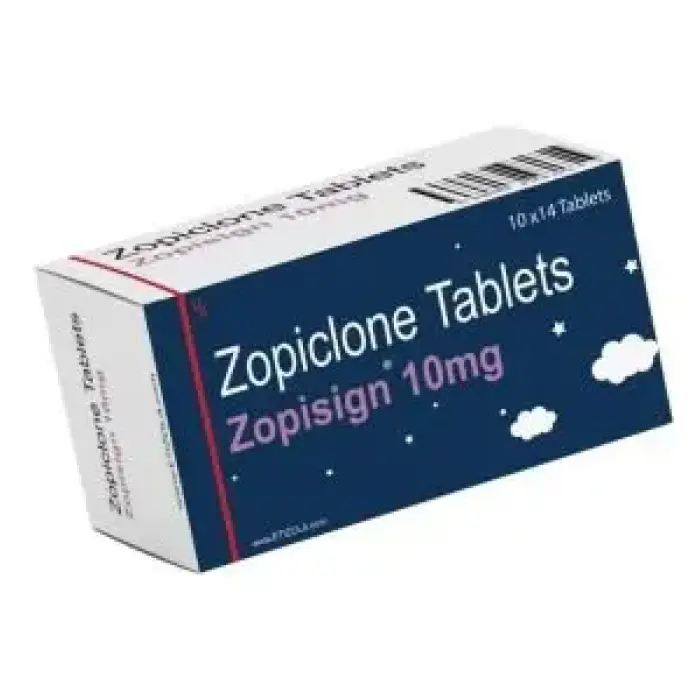
Zopisign Tablets
- Helps fall asleep faster
- Improves overall sleep quality
- Reduces nighttime awakenings
- Convenient tablet for bedtime use
Zopisign by Hab Pharmaceuticals & Research
Zopisign contains zopiclone and is used to treat insomnia and sleep disturbances. It is commonly chosen by individuals who have difficulty falling asleep or staying asleep. The main outcome is faster sleep onset and improved sleep quality.
Many users prefer zopiclone because of its fast-acting effect and reliable results. Compared to some alternatives, it provides effective short-term support for sleep.
What is Zopiclone?
Zopiclone is a non-benzodiazepine hypnotic agent used to treat insomnia. It helps induce sleep and maintain sleep throughout the night.
Zopisign is available in tablet form with a strength such as 10 mg. It is intended for short-term use in managing sleep problems.
Mechanism of Action Zopisign
Zopiclone works by enhancing the effect of GABA, a neurotransmitter that promotes relaxation and sleep. This helps calm brain activity and induce sleep.
Users typically experience faster sleep onset and fewer awakenings during the night. It improves overall sleep duration and quality.
Zopiclone acts quickly, usually within 30 minutes. It is designed for bedtime use and supports natural sleep cycles.
How It Works & Key Benefits
Zopisign is best suited for individuals with short-term insomnia. It works best when taken just before bedtime.
- Helps fall asleep quickly
- Improves sleep continuity
- Reduces night awakenings
- Supports restful sleep
- Fast-acting effect
Who It's For & Product Specifications
Best for: individuals with insomnia or sleep disturbances. Not recommended for: long-term unsupervised use or certain conditions without advice.
| Substance | Zopiclone |
| Concentration | 10 mg/tab |
| Form | Oral tablets |
| Pack Size | 140 tabs |
| Half-life | ~5–7 hours |
| Aromatization/Hepatic | Hepatic metabolism |
| Primary Use | Insomnia treatment |
| Manufacturer | Hab Pharmaceuticals & Research |
| Brand | Zopisign |
How to Use
- Dosage: Common dose is 10 mg before bedtime.
- Frequency: Taken once daily at night.
- Cycle length: Short-term use is recommended.
- Preparation/Monitoring tips: Take immediately before sleep and allow enough time for rest.
- Results timeline: Effects may begin within 30 minutes.
- PCT timing: Not applicable.
PCT Timing Matrix: Not applicable for sleep medications.
Popular Stacks
- Zopiclone + sleep hygiene: improves results.
- Zopiclone + relaxation techniques: enhances sleep quality.
- Zopiclone + routine schedule: supports consistency.
- Zopiclone + lifestyle adjustments: improves long-term outcomes.
Comparisons & Alternatives
Zopisign vs zolpidem: both are sleep aids with similar effects but different profiles.
Zopisign vs benzodiazepines: zopiclone is generally used for short-term sleep support.
Zopisign vs herbal sleep aids: prescription options provide stronger effects.
Side Effects & Risk Management
- Neurologic: drowsiness, dizziness
- General: metallic taste, dry mouth
- Dependence: risk with long-term use
Risk can be minimized by short-term use and proper dosing.
Post-Cycle Therapy (PCT)
PCT is not required for zopiclone. It is used short-term for sleep support.
Disclaimer: This content is for informational purposes only. Sleep medications should be used under medical supervision. Availability may vary by region.
1. What is Zopisign used for?
Zopisign is used to treat insomnia and sleep disturbances. It helps improve sleep quality and duration.
2. How does zopiclone work?
It enhances the calming effect of GABA in the brain. This promotes relaxation and sleep.
3. How quickly does it work?
It usually works within 30 minutes. It should be taken right before bedtime.
4. Can it be used long-term?
It is generally recommended for short-term use. Long-term use should be supervised.
5. Are there side effects?
Common side effects include drowsiness, dizziness, and a metallic taste.
6. Can it cause dependence?
What is Zopisign?
Zopisign is a prescription medication containing zopiclone, a non-benzodiazepine hypnotic (often referred to as a "Z-drug") used for the short-term treatment of insomnia. It helps people fall asleep more quickly, stay asleep longer, and improve overall sleep quality.
What are the possible side effects?
Potential side effects may include:
- Bitter or metallic taste
- Dry mouth
- Drowsiness the following day
- Dizziness
- Headache
- Fatigue
Less commonly, zopiclone may cause sleep-related behaviors such as sleepwalking or performing activities while not fully awake. It also carries a risk of dependence, tolerance, and withdrawal if used for prolonged periods. Patients should use it only as prescribed by a qualified healthcare professional.
Related Products
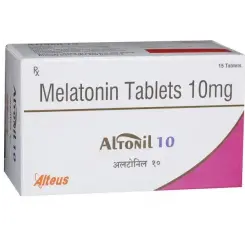
- Helps support falling asleep faster
- Useful for jet lag and sleep schedule changes
- Simple tablet form for daily bedtime use
- Supports the natural sleep-wake rhythm
- Helps lower blood sugar levels in type 2 diabetes
- Supports insulin release from the pancreas
- Convenient once-daily oral tablet
- Helps maintain stable daily glucose control
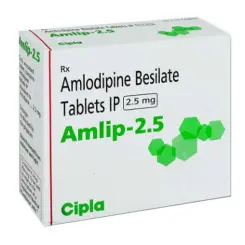
- Helps lower and control high blood pressure
- Supports relaxation of blood vessels
- Convenient once-daily tablet use
- Helps reduce cardiovascular strain
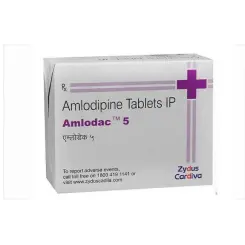
- Helps lower and control high blood pressure
- Supports relaxation of blood vessels
- Once-daily tablet for consistent effect
- Helps reduce strain on the heart
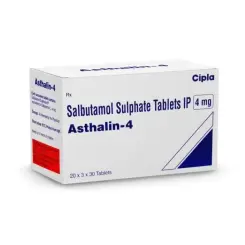
- Helps open airways for easier breathing
- Relieves bronchospasm and chest tightness
- Supports quick relief in asthma symptoms
- Convenient tablet form for daily use
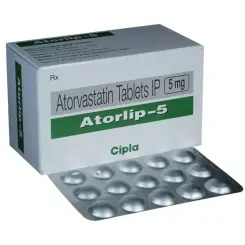
- Helps lower LDL (bad) cholesterol levels
- Supports long-term heart health
- Reduces risk of cardiovascular complications
- Simple once-daily tablet use
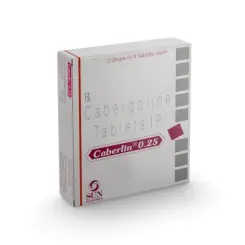
- Helps lower elevated prolactin levels
- Supports hormonal balance and regulation
- Long-acting effect with flexible dosing
- Convenient oral tablet format